Peacock Grand Cafe

Reviewed by Cynthia Hacinli

Peacock Grand Cafe

2020 K St., NW
Washington, DC 20006
Phone: 202-530-2020

Cuisines:
Pizza, American, Modern

Opening Hours:

Wheelchair Accessible:
Yes

Nearby Metro Stops:
Foggy Bottom-GWU
Farragut West

Price Range:
Moderate

Dress:
Business Attire

Noise Level:
Chatty

Reservations:
Recommended

Special Features:
Party Space

Parking:
Valet

Website:
Click here to open in new window.

Best Dishes
Tuna tartare; arugula-and-shaved-fennel salad; Margherita pizza; rainbow trout with fingerling potatoes, fennel confit, and ginger-lemongrass butter; Chocolate Volcano.

Price Details:
Starters $5.75 to $12.50, main courses $12.50 to $39.

button_reserve_table.gif


Gone is the generic wood paneling that made this former home of Legal Seafood on K Street feel like a steakhouse for fish lovers. In its place are white banquettes, modern swags, and metal-mesh curtains, all of which give Peacock Grand Cafe a dash of urban edge.

The menu also is more ambitious than that of its Georgetown parent, Peacock Cafe, long a popular stop for a bite before or after a night on the town.

At lunchtime, when the dining room buzzes with an office crowd, bright salads, crisp thin-crust pizzas, and burgers—what the cafe has always been best known for—rule.

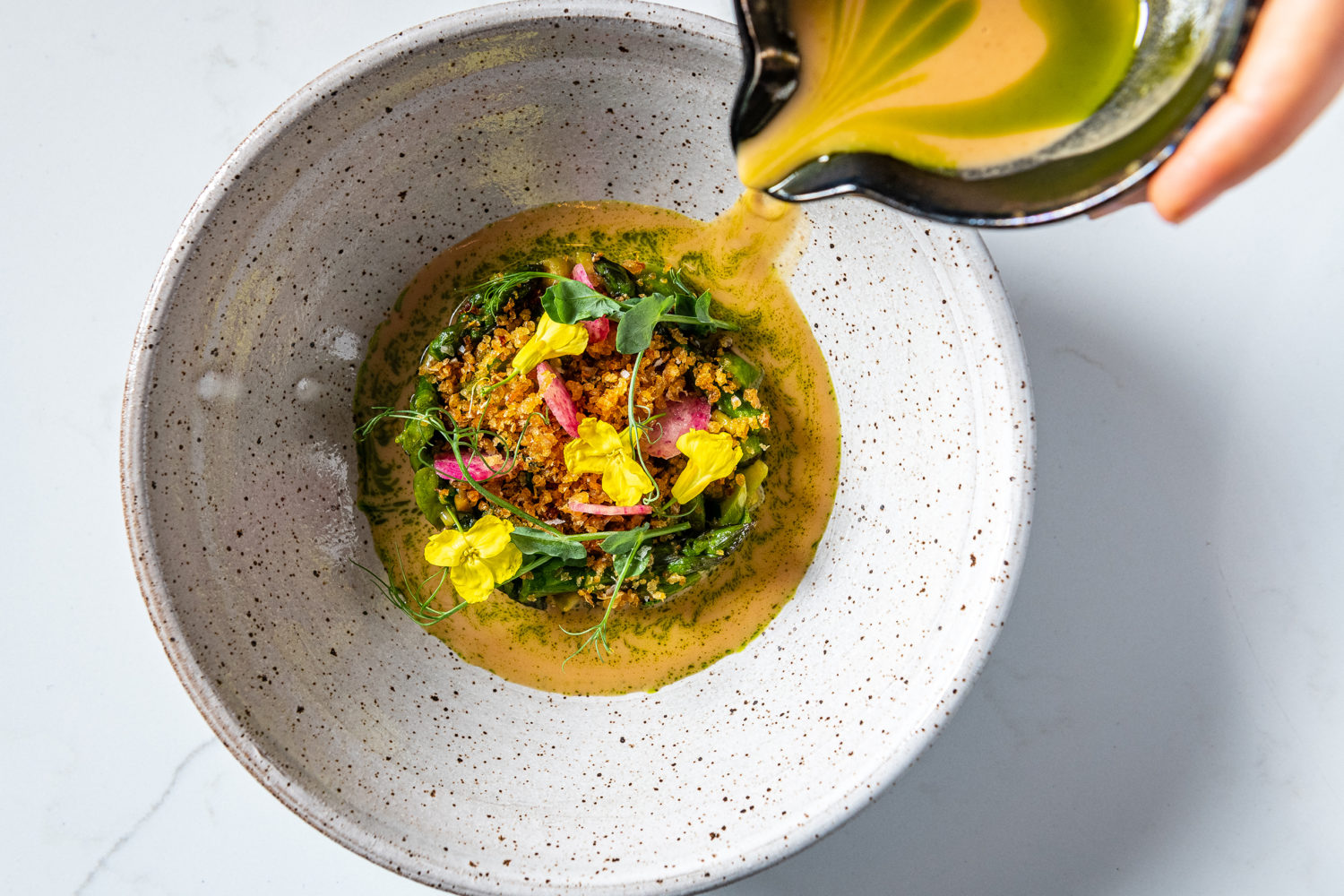
Dinner brings a more entrée-centered menu. That’s a good thing if you go for the sautéed rainbow trout, where jamlike fennel confit, roasted fingerling potatoes, and tangy ginger-lemongrass butter enliven the perfectly cooked fish. It’s less so if you order the blah meatloaf.

But Peacock Cafe’s menu has long careened between highs and lows. Tuna tartare, like the trout, is a well-conceived mingling of flavors and textures—in this case, paper-thin cucumbers, silky cubes of fish, and crunchy seaweed in a wasabi dressing. The tuna burger, on the other hand, is overcooked. And with the meatloaf, something seems to be missing.

For dessert, the signature Chocolate Volcano delivers every time. Yet the Grand Marnier chocolate mousse calls to mind a cafeteria.

That’s the tricky thing about second acts. Even with the best of intentions to create something shiny and new, old flaws have a tendency to creep back in.

This review appeared in the August, 2008 issue of The Washingtonian.