We’ve all got one—that spot on your knee from the time you fell out of a tree when you were ten, or the stripe on your finger earned while making Thanksgiving dinner. But while scars can tell a story, there are some you’d probably rather not have around, such as stretch marks, acne, and surgical scars.
So why do we have them, and why do they have to be so ugly? “A scar is the product of the natural healing process that occurs as a response to any trauma or injury to the skin,” says Dr. Agnes Chang of Integrated Dermatology of K Street.
When the collagen in the upper layers of the skin is disrupted, cells called macrophages come in and remove the trash and debris, and then other cells called fibroblasts swoop in to replace the damaged collagen, creating the scar.
Depending on the area of the body, some injuries may heal better than others, according to Dr. Vincenzo Giannelli, a dermatologist with a practice on M Street. The same wound on the face or back of the hand heals better than a similar wound on the chest or back. This is because the skin on the back, chest, legs, and thighs is thicker and there’s not as much blood flow to the epidermis.
Now that you’ve had a mini lesson on the biology of these pesky marks, here are some tips for preventing scars from occurring and minimizing the appearance of existing scars.
Acne
“Try to avoid the acne itself,” suggests Dr. Howard Brooks of SKIN Cosmetic Dermatology of Georgetown. “I always treat the acne first, then deal with the scarring.”
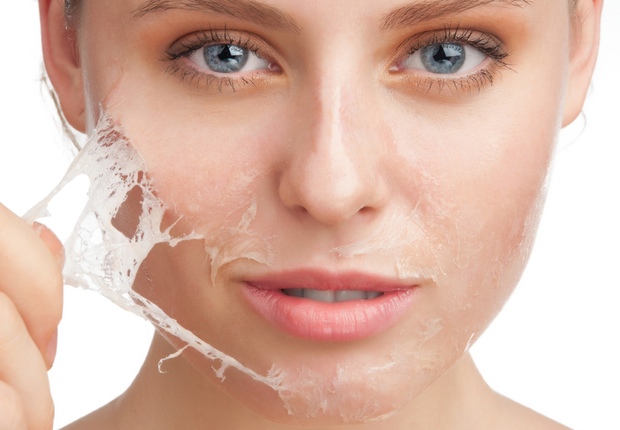
If the acne scar isn’t very deep, topical treatments such as tretinoin topical (commonly known as Retin-A), microdermabrasion, or chemical peels may work to minimize the appearance of scars. These treatments remove the outermost layer of the skin and promote collagen production.
For more serious scarring related to acne, all of the dermatologists suggested that Fraxel laser treatments will change the texture of scars, making them less noticeable. These treatments are pricey, though—around $1,000 for one—and it takes three to six sessions to be effective.
Scabs
Since most scrapes that produce scabs are fairly superficial, keeping the wound clean and moist should be enough to prevent serious scarring. Mederma might be helpful for wounds that are healed with stitches, though the research suggests that its function of keeping a wound moist is what really helps. Dr. Chang recommends using a topical silicone, such as NewGel, to keep an injury from scarring.
Also note: What we gathered from each of the dermatologists is that the old wisdom suggesting a wound should be left uncovered and dry overnight to help it heal more quickly should be thrown out the window.
Surgical
Most surgical scars go deep into the skin and require not only the same type of care for scabs, but also laser treatment if you want to diminish their appearance.
The Fraxel laser is one option, but you might also try a pulsed-dye laser, which uses light energy to create heat in the scar and stimulate collagen production.
Stretch Marks
These pesky scars have plagued pregnant women, bodybuilders, and weight-loss success stories for ages. They occur as a result of rapid weight gain and can be tricky to prevent. The laser treatments mentioned are one solution for minimizing their appearance, but treating stretch marks with the same care you would any other wound can also be effective. That means keeping the marks moist.
Applying Retin-A can work, but pregnant women should steer clear of the prescription treatment. Good alternatives are homeopathic remedies, such as vitamin E oils or shea butter.